Not a clinical diagnosis. A real, recognized phenomenon — the loss of self that arrives the day after the uniform comes off.

Veteran Identity Disorder (VID) is not in the DSM. It is not a formal clinical diagnosis. But it is a phenomenon written about across military medicine, peer literature, and Veteran-services research: the deep loss of identity, structure, brotherhood/sisterhood, and purpose that lands when service ends. Some clinicians use the term colloquially to describe what the diagnostic codes don't quite capture — the grief of being someone, then no longer being her.
For women — already underrepresented in service culture, often the only female in a unit, doubly burdened with caretaking and career — the cliff is steeper.


Women in service spent years performing in cultures built around men. They learned to be respected by being twice as good. The skills that made that work — vigilance, performance, suppression of softness — don't translate to civilian life. The mask that protected her in service becomes the wall that isolates her after. Women Veterans report higher rates of post-service identity loss, isolation, and depression than men in survey after survey. Women first responders report similar patterns leaving fire, law enforcement, and EMS.

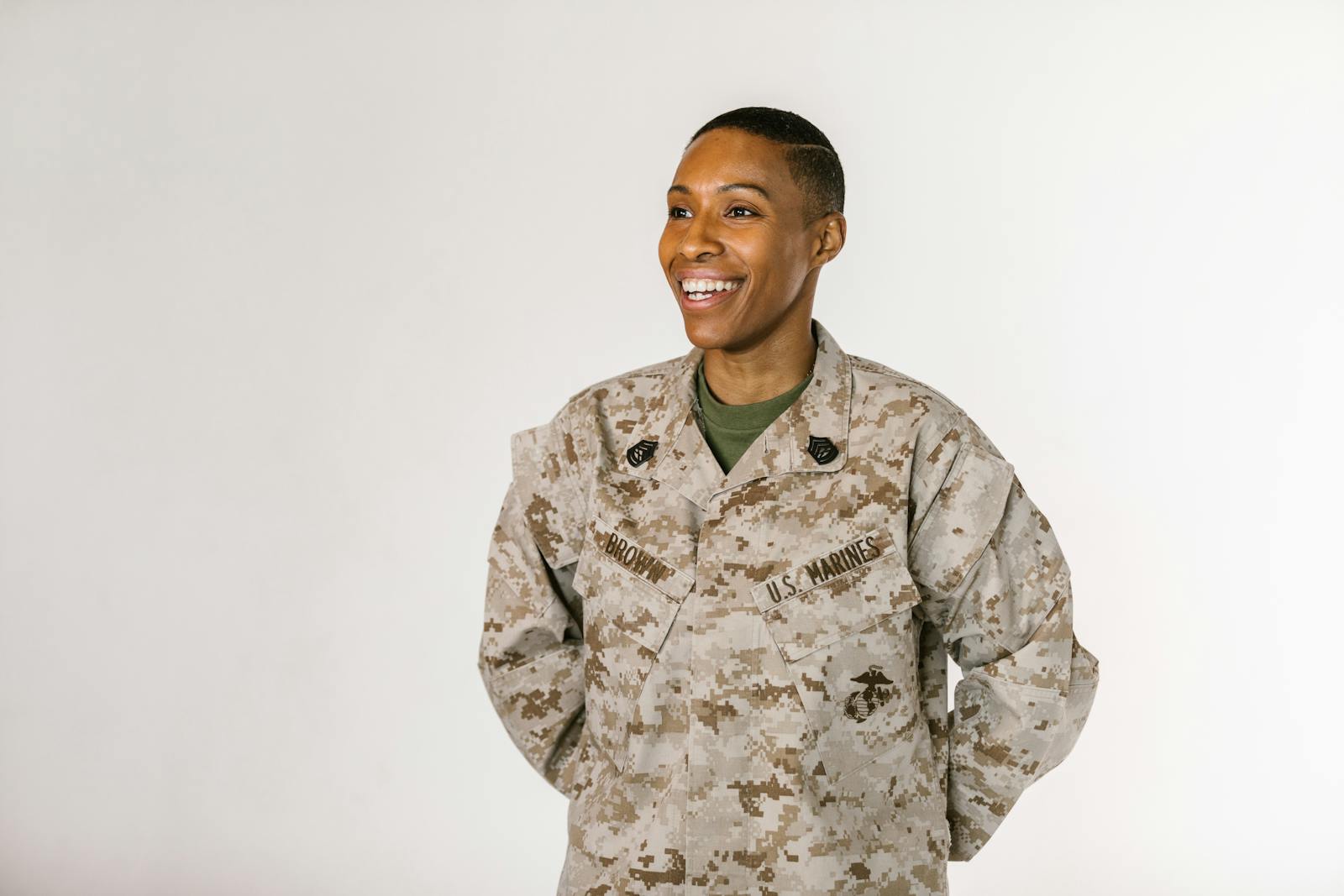
None of these are diagnostic. They are conversation starters with yourself or a clinician.
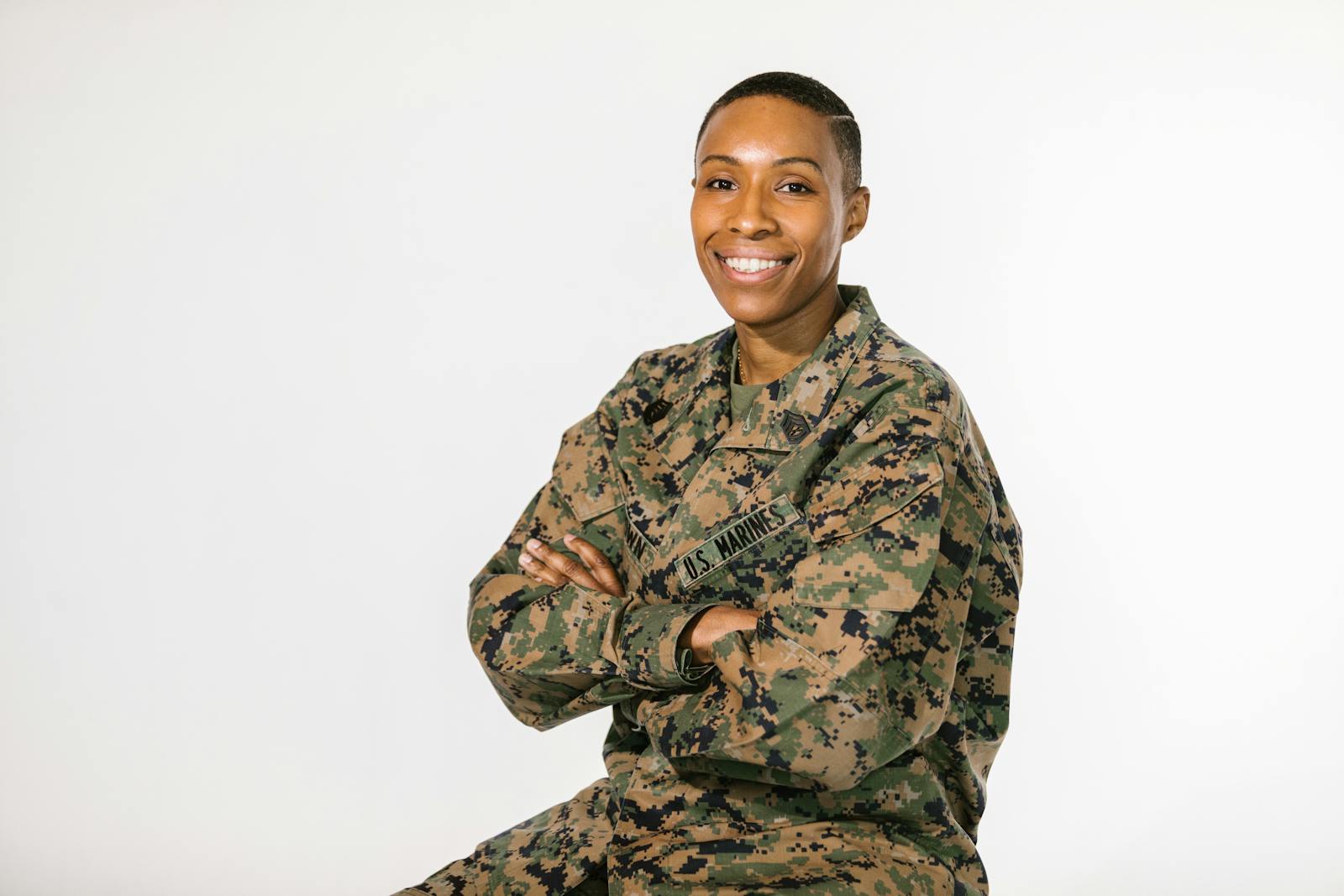

Always, if you are thinking about ending your life. Always, if alcohol or drugs have become how you cope. Always, if you can't function at work or with the people you love. Often, if the symptoms have lasted longer than three months and aren't getting better. Identity work and clinical care are not in competition — they layer.
Veterans Crisis Line — dial 988, then press 1. Or text 838255. 24/7, free, confidential. You do not need to be enrolled in VA care.
No — not in the DSM-5-TR. It is a colloquial term for a real phenomenon: the loss of self that follows the end of military service. Some clinicians use it descriptively. The lack of a code doesn't make the experience less real.
Depression is a mood disorder; VID is an identity-loss phenomenon. They can co-occur. Treating depression alone — without addressing the identity question — often leaves the underlying ache untouched.
PTSD is trauma-based with specific clinical criteria (re-experiencing, avoidance, hyperarousal, negative cognition). VID is identity-based. They can co-occur, especially when the trauma was service-related. PTSD treatment is essential when PTSD is present, but doesn't itself resolve VID.
Without intervention, often years. With identity work, peer community, and (when needed) clinical care: typically resolves into a new, stable identity within 12–24 months. There is no fixed timeline.
Women spent years performing in male-built service cultures. The mask that protected her in service becomes the wall that isolates her after. Women Veterans consistently report higher rates of post-service identity loss in surveys.
We are not clinicians. We provide coaching, community, and peer support — the identity-work side. We refer to clinicians for the clinical side. Both layers matter; neither replaces the other.
Call 988 and press 1 for the Veterans Crisis Line. Text 838255. Chat at veteranscrisisline.net. 24/7, free, confidential, no VA enrollment required.
PTSD Information
Including MST, evidence-based treatments, and crisis resources.
Read more
Purpose Workshops
Cohort identity work — exactly the medicine for VID.
Read more
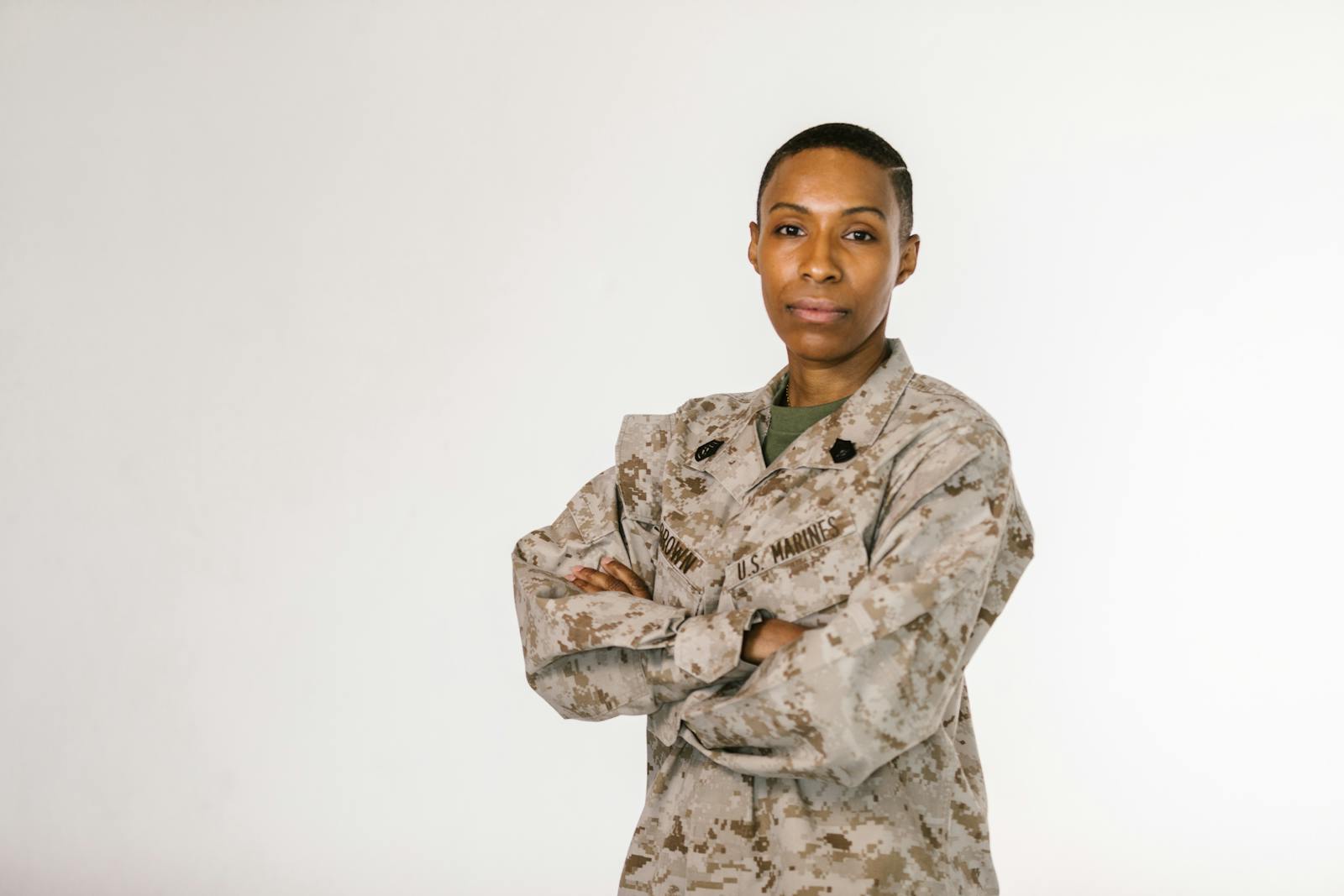 Veteran Mentor Programs
Sister-led proof that the rebuild is possible.
Read more
About
HER NEXT MISSION exists for this work.
Read more
Veteran Mentor Programs
Sister-led proof that the rebuild is possible.
Read more
About
HER NEXT MISSION exists for this work.
Read more
Email opens with your situation pre-filled. We come back ready — with a curated next step, a referral, or a call on the calendar.