Veteran-specific PTSD information — combat exposure, military sexual trauma (MST), evidence-based treatment options, and how to find care that actually understands service.

Post-traumatic stress disorder is a clinical diagnosis. We're not diagnosing it on a website. What we are saying: many women come out of service carrying combat exposure, military sexual trauma (MST), or sustained operational stress that meets clinical criteria — and often go untreated for years because the system around them doesn't recognize what she carried. PTSD information for women Veterans deserves its own treatment because the patterns are different.
Symptoms persist more than one month, impair functioning, and aren't due to a substance or other medical condition. A clinician makes the diagnosis — not a website.
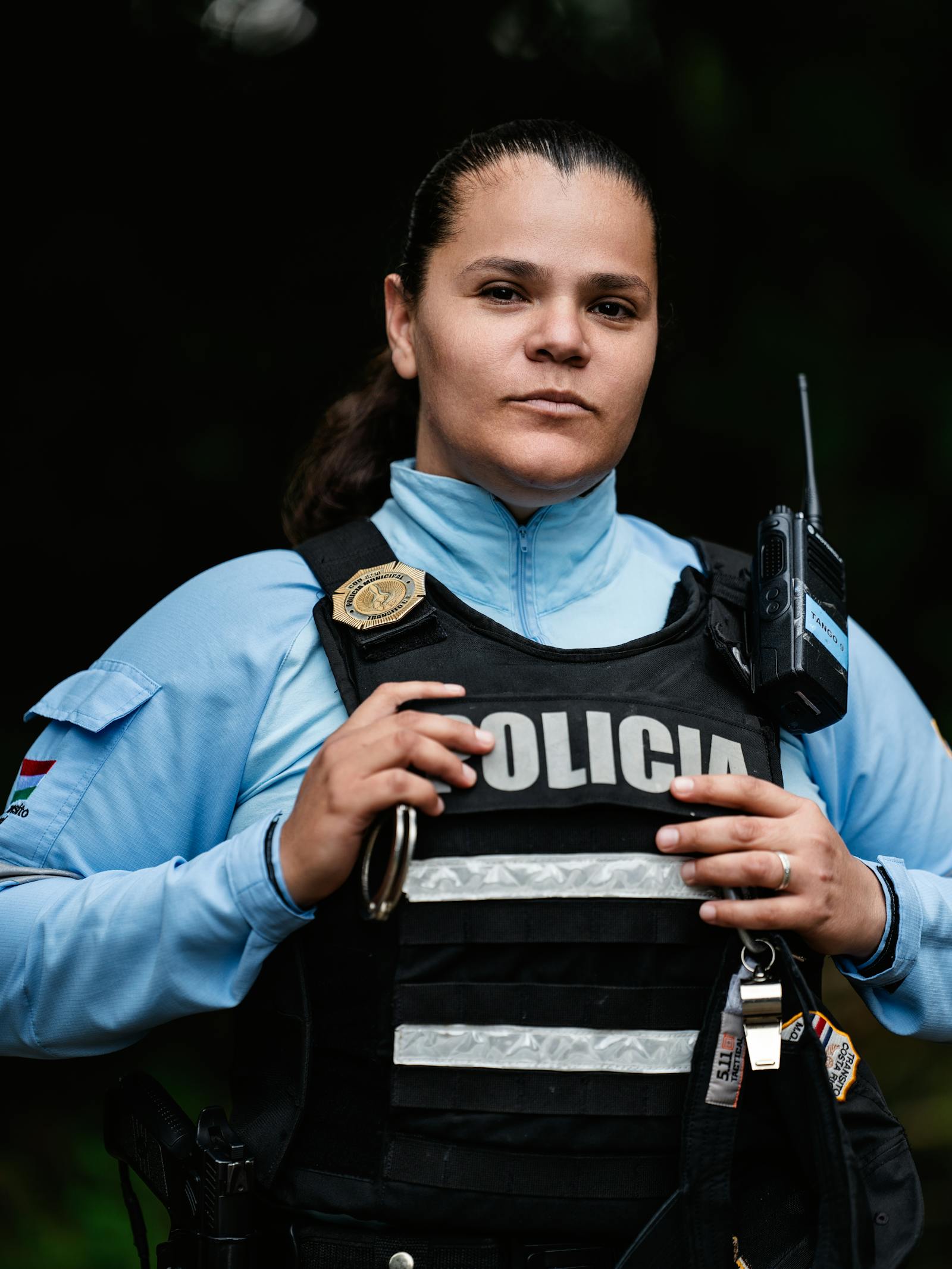
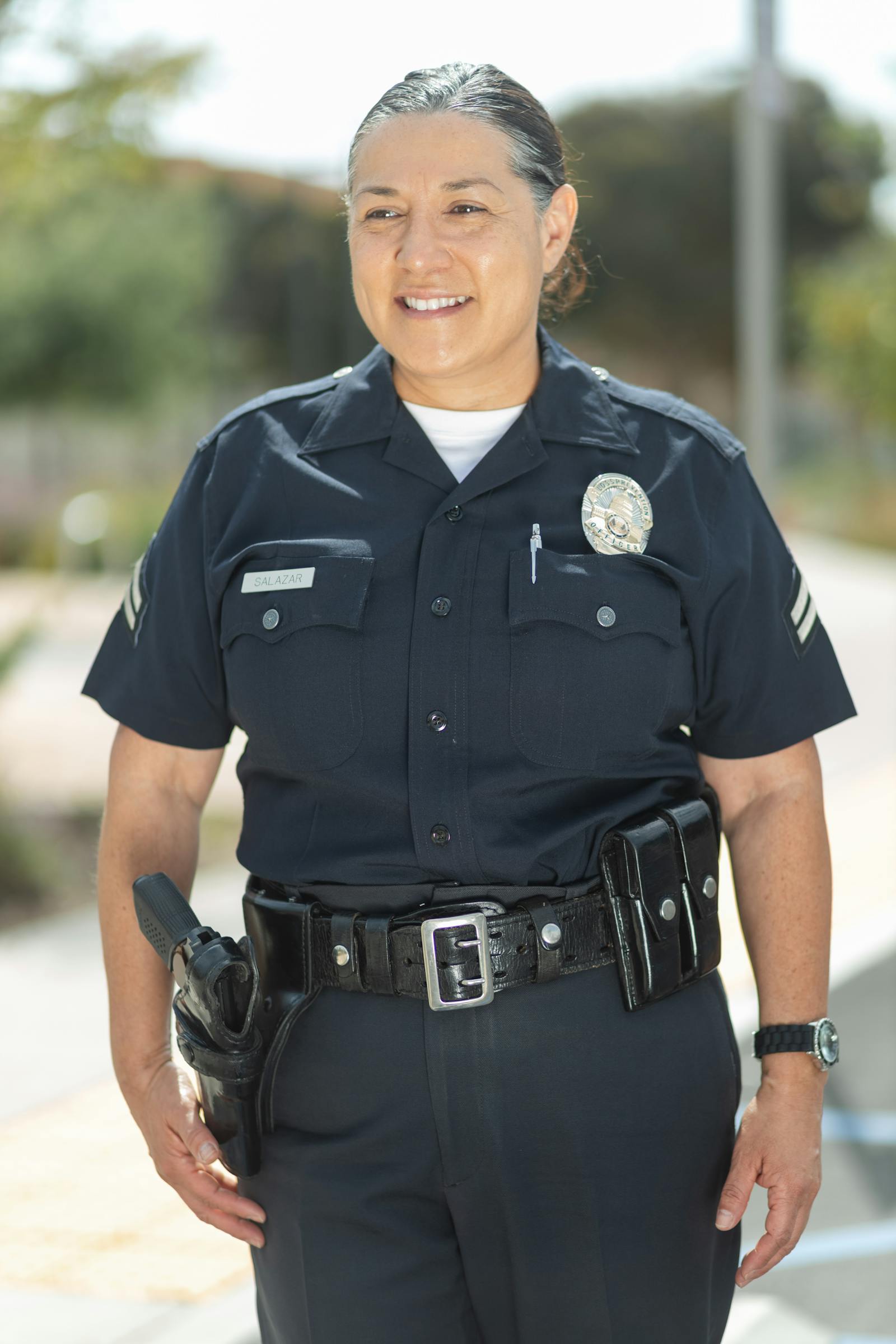
VA data consistently shows women Veterans report MST at significantly higher rates than men. Military Sexual Trauma (MST) is sexual assault or repeated sexual harassment that occurred during military service. It can — and frequently does — co-occur with combat-related PTSD. The VA provides MST-related care free of charge regardless of discharge characterization or eligibility for other VA services. Most VA medical centers have a designated MST Coordinator. You do not need to file a report or claim to receive MST-related care.
The signs of MST-related PTSD often differ from combat-related PTSD: more shame, more chronic depression, more difficulty trusting providers (especially male providers), more avoidance of medical settings altogether.
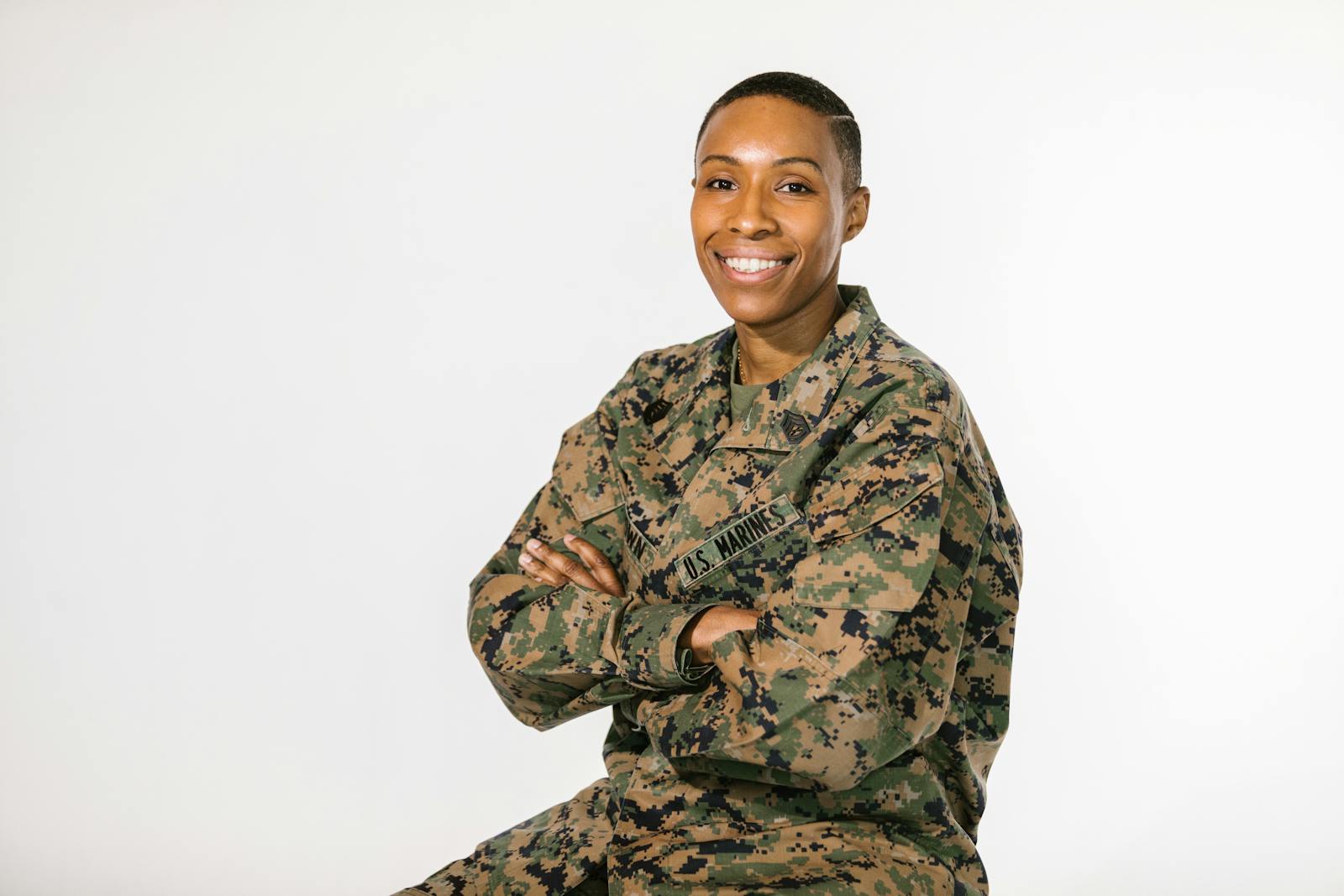
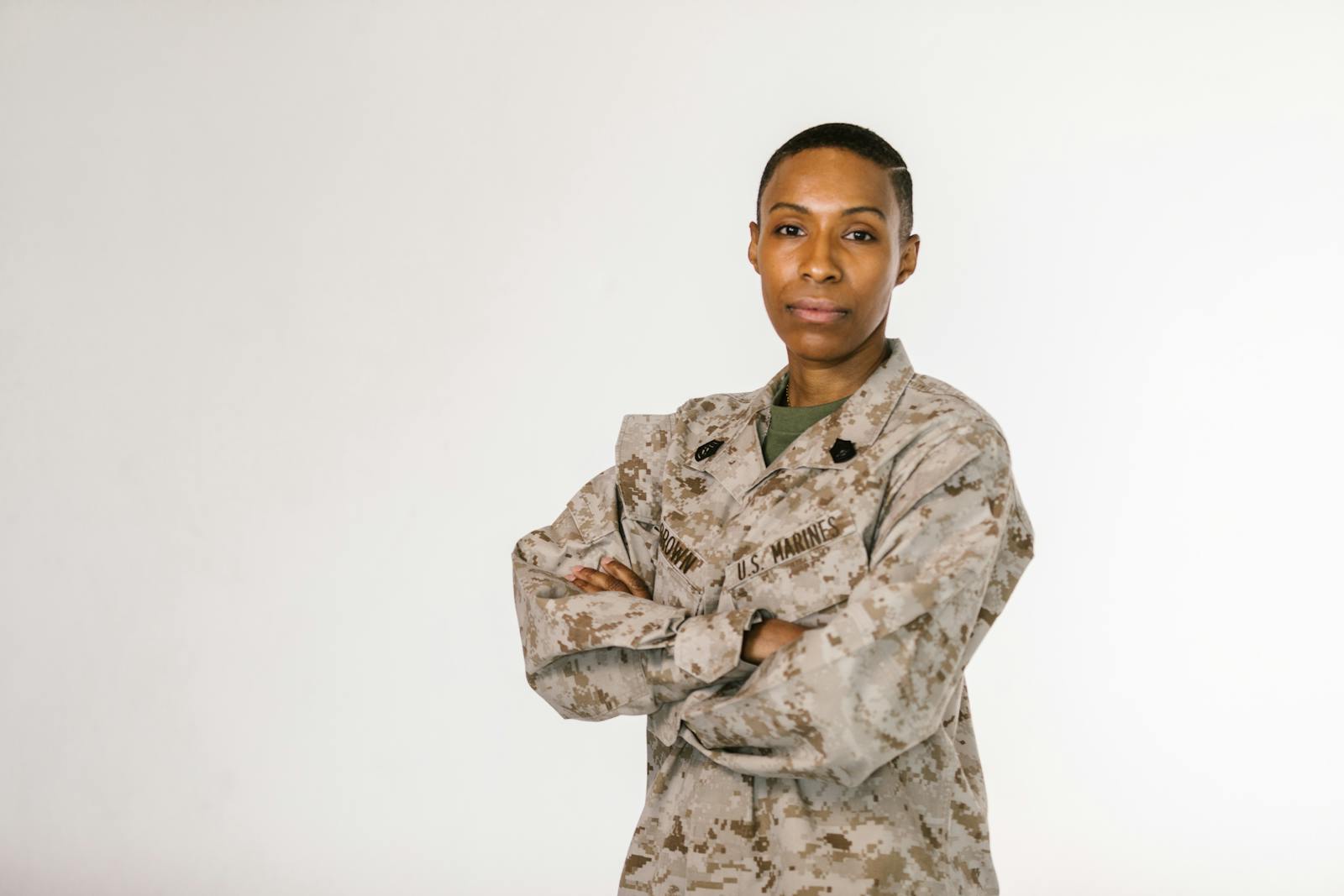
Veterans Crisis Line — dial 988, then press 1. Or text 838255. Or chat at veteranscrisisline.net. 24/7, free, confidential, and you do not need to be enrolled in VA care.
If a friend is in crisis, do not leave them alone. Call 988 with them. Stay on the line.
By a licensed mental-health clinician using DSM-5-TR criteria, typically through a structured interview (CAPS-5 is the gold standard). It cannot be diagnosed by a website, a friend, or a screening tool alone.
Yes. MST-related care is provided regardless of whether a report or claim was filed, regardless of discharge characterization, and regardless of other eligibility. You do not have to disclose to your unit, command, or the VA disability claim system to receive MST clinical care.
The strongest evidence base supports trauma-focused psychotherapies — CPT, PE, and EMDR. They are roughly equally effective on average; individual fit varies. Medications (SSRIs/SNRIs) help some women, especially when paired with therapy. There is no single 'best' treatment; the best is the one she'll actually engage with.
Evidence-based protocols run 8–15 sessions for individual therapy. Some women improve significantly within that window. Others need longer or different modalities. Group and somatic work often layer in over months or years.
Yes — and you should ask. Most VA Women's Health Programs prioritize matching women Veterans with female clinicians for MST-related care. In civilian practice, you can request a female provider directly.
Generally, no. Question 21 of the SF-86 specifically excludes counseling related to combat or sexual assault. Receiving care is rarely a clearance issue; not receiving care for active symptoms is more often the issue. Talk to a security clearance attorney if specific concerns apply.
MDMA-assisted therapy and psilocybin-assisted therapy are showing strong results for treatment-resistant PTSD in clinical trials. Not yet FDA-approved for general use as of writing. Some Veterans access these therapies in jurisdictions where they are legal (Australia, Oregon, Colorado) or through expanded-access programs. Discuss with a knowledgeable provider — and screen carefully for safety.
We provide coaching, community, and peer support. We are not clinicians. We refer to clinicians for clinical care and walk alongside the rest of the rebuild. See Veteran Identity Disorder for the identity side that often layers with PTSD.
 Veteran Identity Disorder
The identity question that often co-occurs with PTSD.
Read more
Purpose Workshops
Cohort identity work alongside clinical care.
Read more
Veteran Identity Disorder
The identity question that often co-occurs with PTSD.
Read more
Purpose Workshops
Cohort identity work alongside clinical care.
Read more
 Military Transition Specialist
VA disability claims for PTSD and MST.
Read more
Military Divorce Attorney
If trauma intersects family-court matters.
Read more
Military Transition Specialist
VA disability claims for PTSD and MST.
Read more
Military Divorce Attorney
If trauma intersects family-court matters.
Read more
Email opens with your situation pre-filled. We come back ready — with a curated next step, a referral, or a call on the calendar.